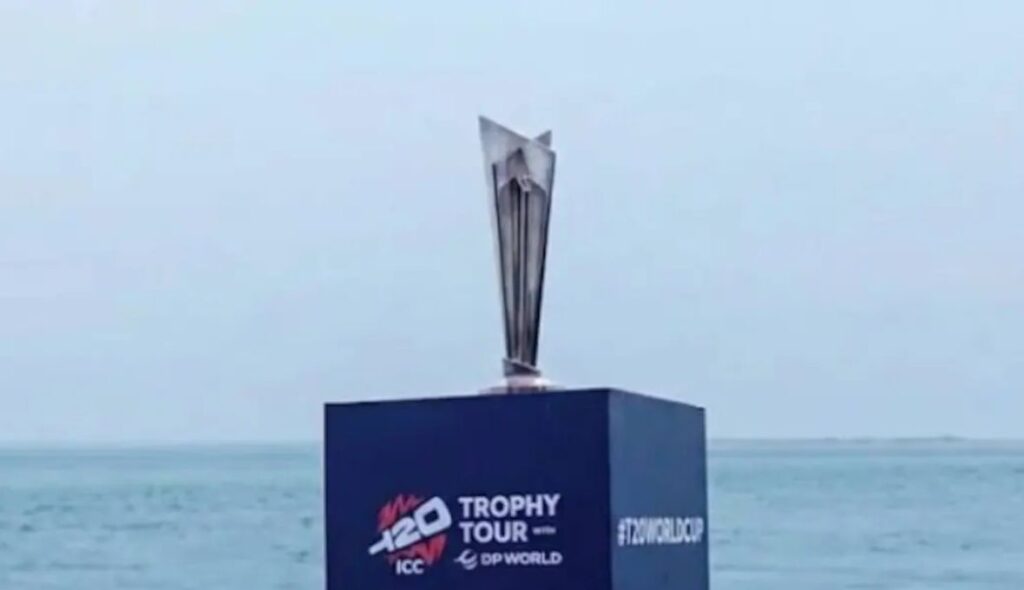

As preparations intensify for the ICC Men’s T20 World Cup 2026, the International Cricket Council finds itself dealing with mounting off-field challenges. Amid ongoing tensions involving Bangladesh cricket administration, a fresh dispute has emerged—this time between the ICC and the World Cricketers’ Association (WCA).
At the heart of the disagreement lie squad participation terms, specifically those governing name, image, and likeness (NIL) rights for players competing in the T20 World Cup 2026. What might appear on the surface as a contractual issue has now escalated into a broader debate about player rights, governance transparency, and the evolving commercial landscape of international cricket.
With the tournament fast approaching, the ICC now faces renewed scrutiny at a time when stability, trust, and cooperation are crucial.
Understanding The Core Of The ICC–WCA Dispute
The clash between the ICC and the World Cricketers’ Association revolves around the terms and conditions players must agree to in order to participate in the T20 World Cup 2026.
According to WCA, the current participation framework places excessive restrictions on players’ NIL rights, potentially limiting how cricketers can use their own name, image, and likeness for personal endorsements, sponsorships, and commercial activities during the tournament period.
The ICC, on the other hand, maintains that such terms are necessary to protect tournament integrity, commercial partnerships, and global broadcasting agreements.
What Are Name, Image, and Likeness (NIL) Rights In Cricket?
NIL rights allow athletes to commercially exploit:
- Their name
- Their image or likeness
- Their personal brand
In modern sport, these rights have become increasingly valuable, particularly in global tournaments with massive television and digital reach.
Why NIL Rights Matter To Cricketers
For players, NIL rights are:
- A major source of income beyond match fees
- Essential for long-term financial security
- A reflection of personal brand ownership
The WCA argues that players should not be forced to surrender or excessively limit these rights as a condition of World Cup participation.
Why This Issue Has Surfaced Ahead Of T20 World Cup 2026
The timing of this dispute is significant. The T20 World Cup 2026 is expected to be one of the most commercially lucrative ICC events ever, with expanded global audiences, digital platforms, and sponsorship deals.
As cricket grows as a global entertainment product, commercial control versus player autonomy has become a recurring tension point.
This dispute reflects that broader shift.
The World Cricketers’ Association’s Stand
The WCA represents professional cricketers across multiple countries and has increasingly taken an assertive stance on player welfare, workload management, and commercial rights.
In its clash with the ICC, the WCA has raised concerns about:
- Lack of meaningful player consultation
- Broad and restrictive NIL clauses
- Limited flexibility for individual sponsorships
- Precedent-setting implications for future ICC events
From the WCA’s perspective, players should not have to choose between representing their country and protecting their personal commercial rights.
ICC’s Position: Protecting Tournament Commercial Integrity
The ICC argues that:
- Centralised control of branding is essential
- Sponsors invest heavily based on exclusivity
- Broadcasting agreements require uniformity
- Conflicting endorsements could dilute event value
From a governance standpoint, the ICC believes that relaxing NIL controls could undermine the commercial ecosystem that funds global cricket development.
However, critics argue that this approach reflects outdated governance models in a rapidly evolving sports economy.
Bangladesh Row Adds To The Pressure On ICC
This NIL rights dispute comes amid ongoing friction involving Bangladesh cricket, further complicating the ICC’s position.
While the Bangladesh-related issues are separate, the overlap in timing has intensified scrutiny of the ICC’s governance approach. Together, these developments create a perception of administrative strain rather than cohesion.
For the ICC, managing multiple high-profile concerns simultaneously risks eroding confidence among stakeholders.
Why Player Rights Are A Growing Issue In Global Cricket
Cricket is no longer just a sport—it is a global commercial enterprise. Players today:
- Compete in multiple leagues
- Build personal brands on social media
- Sign individual endorsement deals
- Attract global fanbases
As a result, governance structures designed decades ago are increasingly being challenged.
The ICC–WCA dispute reflects cricket’s struggle to adapt to this new reality.
Comparison With Other Global Sports
In sports like football, basketball, and American college athletics, NIL rights are now firmly recognised and protected.
Cricket, however, operates within:
- Centralised board control
- Tournament-specific participation contracts
- Limited collective bargaining mechanisms
This structural difference makes disputes like the current one almost inevitable.
Potential Impact On T20 World Cup 2026 Participation
While no player or team has threatened withdrawal, unresolved tensions create uncertainty.
Possible consequences include:
- Delayed squad confirmations
- Legal negotiations behind the scenes
- Increased player-board friction
- Distractions during tournament preparation
Even if participation remains unaffected, off-field disputes can influence morale and focus.
Why Timing Matters So Much Before A World Cup
World Cup success is built on:
- Clear planning
- Stable administration
- Unified communication
Disputes over rights and governance, if unresolved, risk overshadowing cricketing narratives.
For fans, sponsors, and broadcasters, uncertainty is never welcome so close to a major event.
The Commercial Stakes For ICC And Players
The T20 World Cup 2026 represents:
- Billions in broadcasting value
- Global sponsorship exposure
- Long-term brand positioning
For players, it is also:
- A peak visibility platform
- A chance to enhance personal brand value
- A once-in-four-years opportunity
Balancing these interests fairly is the central challenge facing the ICC.
Governance Transparency Under Scrutiny
One of the WCA’s key criticisms is the lack of transparency and consultation in drafting participation terms.
Modern sports governance increasingly values:
- Stakeholder engagement
- Collective bargaining
- Transparent decision-making
The ICC’s approach, according to critics, risks appearing unilateral rather than collaborative.
Lessons From Past ICC Disputes
The ICC has faced governance challenges before, ranging from scheduling disputes to revenue-sharing disagreements.
History suggests that:
- Prolonged disputes damage credibility
- Compromise is often inevitable
- Clear communication restores trust
Resolving the current NIL rights issue swiftly could prevent long-term fallout.
The Role Of National Boards In The Dispute
National cricket boards find themselves caught between:
- ICC regulations
- Player associations
- Domestic commercial interests
How boards respond could influence future power dynamics in world cricket.
Strong board advocacy for players may accelerate reforms, while silence could deepen divides.
Could This Lead To Structural Reform?
Some experts believe this dispute could act as a catalyst for:
- Formalised player representation at ICC level
- Standardised NIL frameworks
- Clearer commercial rights boundaries
While immediate reform is unlikely before 2026, the conversation has clearly begun.
What Fans Should Understand About This Issue
For fans, this dispute is not about greed or defiance—it is about who controls value in modern cricket.
Players generate the spectacle, but institutions control the platforms. Finding a fair balance is essential for the sport’s long-term health.
ICC’s Immediate Challenge: Damage Control
As scrutiny grows, the ICC’s priorities should include:
- Open dialogue with WCA
- Clear public communication
- Reassurance to fans and sponsors
- Minimising distractions ahead of the tournament
Silence or rigidity could allow speculation to dominate headlines.
The Bigger Picture: Cricket At A Crossroads
This dispute reflects a broader crossroads for cricket governance. As player power increases and commercial stakes rise, traditional top-down models face inevitable resistance.
How the ICC responds will shape not just the T20 World Cup 2026, but the future relationship between players and governing bodies.
Conclusion: ICC Faces A Critical Test Ahead Of T20 World Cup 2026
Amid the Bangladesh row and now a growing clash with the World Cricketers’ Association, the ICC finds itself under mounting pressure ahead of the T20 World Cup 2026. The disagreement over NIL rights is more than a contractual issue—it is a reflection of cricket’s evolving identity in a modern sports economy.
With time running short, collaboration rather than confrontation will be key. The ICC must balance commercial integrity with player autonomy, ensuring that the world’s biggest T20 event is remembered for cricketing excellence rather than governance disputes.
The coming months will reveal whether this challenge becomes a turning point—or another unresolved chapter in cricket’s complex administrative history.