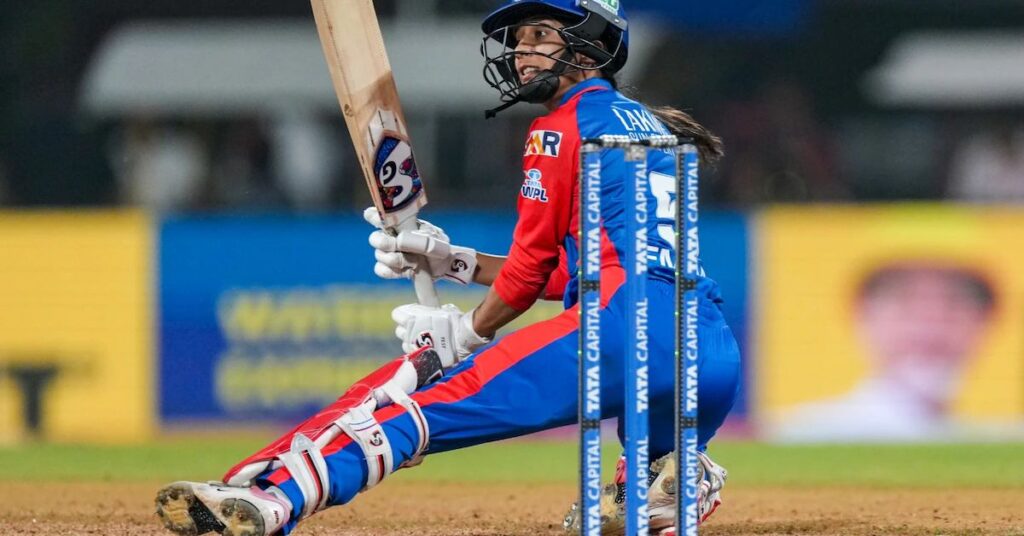

The Women’s Premier League (WPL) continues to generate headlines both on and off the field, and the latest development involves Delhi Capitals captain Jemimah Rodrigues being fined for a slow over-rate during a high-intensity league clash. The incident has sparked discussion around leadership pressure, time management in women’s cricket, and the increasing strictness of match regulations in elite tournaments.
As one of India’s most prominent women cricketers and a key leader for Delhi Capitals, Jemimah Rodrigues’ fine has drawn significant attention from fans, experts, and analysts alike. While slow over-rate penalties are not uncommon in professional cricket, their impact becomes more pronounced in a tournament as competitive and closely followed as the WPL.
WPL 2026: High Stakes, High Scrutiny
The Women’s Premier League has quickly established itself as a top-tier global T20 competition, bringing with it:
- Intense competition
- Packed schedules
- Global viewership
- Strict enforcement of playing conditions
With growing professionalism comes stricter governance, and slow over-rate penalties are part of this evolution.
For captains like Jemimah Rodrigues, managing both on-field tactics and off-field regulations has become an increasingly demanding task.
The Incident: Jemimah Rodrigues Fined for Slow Over-Rate
What Happened in the WPL Clash?
During a closely contested WPL match involving Delhi Capitals, match officials determined that the team failed to complete the required number of overs within the allotted time. As a result, skipper Jemimah Rodrigues was fined under the WPL Code of Conduct for maintaining a slow over-rate.
According to tournament regulations:
- The captain is held responsible for the team’s over-rate
- Penalties are applied regardless of match result
- Repeat offences can carry stricter consequences
The fine, while financial in nature, also carries symbolic weight.
Why the Fine Matters
While the monetary amount may not be substantial, the fine is significant because:
- It reflects increased enforcement of discipline
- It places leadership under scrutiny
- It highlights time-management challenges in T20 cricket
In a league watched by millions, even minor infractions become talking points.
Understanding Slow Over-Rate Rules in the WPL
What Is a Slow Over-Rate?
A slow over-rate occurs when a fielding side fails to bowl the stipulated number of overs within the designated match time, excluding allowances for:
- Injuries
- Official timeouts
- Unavoidable delays approved by umpires
In T20 cricket, maintaining pace is critical for broadcast schedules and fan experience.
WPL Over-Rate Penalty Structure
Under WPL regulations:
- The captain is fined for each over short
- Repeated offences may lead to suspension or points deduction (depending on league rules)
- Players are also reminded through official warnings
The system mirrors international standards used in ICC events.
Jemimah Rodrigues: Captaincy Under the Microscope
A Leader in Transition
Jemimah Rodrigues is widely admired for her:
- Positive on-field energy
- Tactical awareness
- Ability to lead by example with the bat
However, captaincy in a high-pressure league like the WPL is a learning curve, especially for a young leader.
Balancing Strategy and Compliance
Modern captains must juggle:
- Bowling rotations
- Field placements
- Matchups against batters
- Over-rate awareness
In tight matches, tactical delays—such as field changes or bowler discussions—can quickly add up.
Match Context: Why Over-Rates Become an Issue
High-Pressure Situations
The slow over-rate occurred in a match that involved:
- Frequent bowling changes
- Strategic field adjustments
- Pressure moments in the middle and death overs
Such situations often slow the game unintentionally.
Use of Spinners and Tactical Fields
Spin bowling phases, in particular, can affect over-rates due to:
- Frequent field adjustments
- Batter-bowler matchups
- Extended discussions
While tactically sound, these factors demand better time awareness.
Delhi Capitals’ WPL Campaign So Far
Strong Performances With Minor Setbacks
Delhi Capitals have been one of the more consistent teams in the WPL, showing:
- Balanced squad composition
- Strong Indian core
- Effective overseas players
However, discipline issues like over-rate fines can slightly dent an otherwise solid campaign.
Importance of Discipline in Tight Leagues
In a league where:
- Points table positions are decided by fine margins
- Net run rate plays a crucial role
- Every detail matters
Off-field discipline becomes just as important as on-field performance.
Reactions to Jemimah Rodrigues’ Fine
Official Response
The match officials followed standard protocol, and there was no dispute regarding the ruling. Delhi Capitals accepted the fine without controversy, indicating:
- Respect for tournament rules
- Professional approach from team management
Fan and Media Reaction
Fans reacted with a mix of:
- Understanding, given match pressure
- Concern over repeat offences
- Support for Jemimah as a young leader
Most agreed that the fine was procedural rather than reflective of poor leadership.
Is Jemimah Rodrigues Being Singled Out?
Over-Rate Fines Are Common
Slow over-rate penalties have been handed to:
- Senior international captains
- IPL and WPL leaders
- Teams across formats
This incident should be seen as part of standard enforcement, not selective scrutiny.
Women’s Cricket Under Greater Spotlight
As women’s cricket gains popularity:
- Rules are enforced more visibly
- Accountability increases
- Media coverage intensifies
This is a sign of progress, not criticism.
Leadership Lessons From the Incident
Growing Pains of Captaincy
Every captain faces challenges early in their leadership journey. This fine offers Jemimah:
- A learning opportunity
- Better awareness of match tempo
- Experience in managing multiple responsibilities
Such moments often shape better leaders.
Support From Team Management
Delhi Capitals’ coaching staff and senior players are expected to:
- Assist with time management
- Share responsibility on the field
- Help the captain focus on tactics
Leadership is a collective effort.
Over-Rate Challenges in T20 Cricket
Why T20s Still Struggle With Over-Rates
Despite being the shortest format, T20 cricket faces over-rate issues due to:
- Frequent strategic timeouts
- High tactical involvement
- Increased use of analytics
Managing speed without compromising quality is an ongoing challenge.
Technology and Solutions
Leagues are exploring:
- On-field timers
- Umpire prompts
- Reduced stoppages
These measures aim to support captains rather than penalise them.
Impact on Delhi Capitals Moving Forward
Will the Fine Affect the Team?
Practically, the fine will:
- Have no impact on points
- Not affect player availability
- Serve as a reminder rather than punishment
Delhi Capitals remain firmly focused on performance and playoffs.
Increased Awareness in Upcoming Matches
The team is likely to:
- Improve over-rate management
- Delegate time-keeping responsibility
- Reduce unnecessary delays
Such adjustments often follow early-season penalties.
Jemimah Rodrigues’ Role Beyond Captaincy
A Key Player for Delhi and India
Beyond leadership, Jemimah Rodrigues is:
- A crucial middle-order batter
- An experienced international cricketer
- A role model for young players
One fine does not diminish her importance or credibility.
Mental Strength and Professionalism
Handling such incidents calmly reflects:
- Maturity
- Professional attitude
- Focus on bigger goals
These traits are essential in high-profile leagues.
Bigger Picture: Discipline in the WPL
Setting Standards for the Future
Strict enforcement of rules:
- Raises professionalism
- Aligns WPL with global leagues
- Prepares players for ICC tournaments
The WPL aims to be a benchmark league, not a relaxed exhibition.
Role of Captains in Shaping League Culture
Captains like Jemimah Rodrigues play a key role in:
- Setting behavioural standards
- Encouraging discipline
- Leading by example
Such incidents highlight their influence beyond cricketing skills.
Comparisons With IPL and International Cricket
Slow over-rate fines are common in:
- IPL
- ICC T20 World Cups
- Bilateral series
The WPL adopting similar strictness shows equal treatment and parity.
What Jemimah Rodrigues Can Take Away
Key takeaways include:
- Importance of time awareness
- Delegating on-field responsibilities
- Staying composed under scrutiny
These lessons will benefit her long-term leadership career.
Expert Opinion: A Minor Issue, Not a Crisis
Most experts agree:
- The fine is routine
- It does not reflect poor captaincy
- Jemimah remains one of India’s best leaders
Context matters, and this was a procedural matter.
Fans’ Perspective: Support Over Criticism
A large section of fans:
- Back Jemimah unconditionally
- Appreciate her passion and energy
- See the fine as part of professional sport
Such support is vital in women’s cricket growth.
What This Means for the Rest of the WPL Season
Expect:
- Sharper over-rate compliance
- More awareness among captains
- Smoother match flow
The league continues to mature with every season.
Final Thoughts
Delhi Capitals skipper Jemimah Rodrigues being fined for a slow over-rate in a WPL clash is a reminder of the evolving professionalism and accountability in women’s cricket. While the incident has drawn attention, it remains a minor procedural matter rather than a reflection of leadership failure.
For Jemimah Rodrigues, this is just another step in her journey as a captain—one filled with lessons, growth, and responsibility. For the WPL, it signals a commitment to global standards and discipline.
As the tournament progresses, focus will return to what truly matters: performances, pressure moments, and the continued rise of women’s cricket on the world stage.